
RED² Insight
How to Use Customer Feedback to Improve Your Business
Learn exactly how to use customer feedback to improve your business. Discover a proven customer feedback strategy to boost retention and drive revenue.
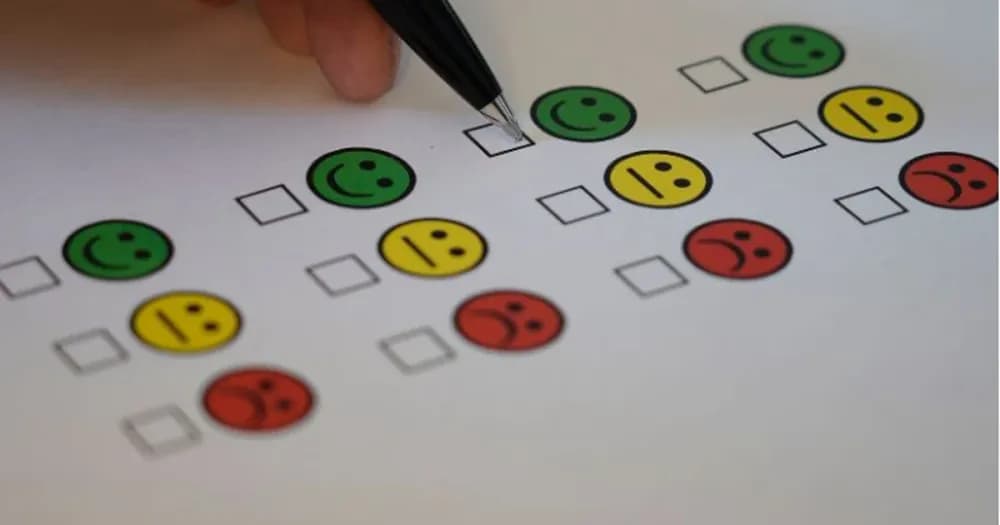
A direct line to your customer’s thoughts, opinions, and experiences offers an unparalleled opportunity for business refinement. Actively seeking and thoughtfully utilizing customer feedback isn’t just about addressing complaints; it’s a strategic imperative that fuels innovation, enhances satisfaction, and ultimately drives sustainable growth.
The Voice of the Customer: Why Feedback is Crucial for Business Improvement
- Identifying Areas for Improvement in Products and Services
Direct feedback from users highlights flaws, shortcomings, or areas where your offerings may be enhanced to better meet their needs and expectations. This allows for targeted improvements and the development of more customer-centric products and services.
- Enhancing Customer Experience
Understanding customer experiences, both positive and negative, across all touchpoints allows you to identify areas where the journey can be made smoother, more enjoyable, and ultimately more satisfying.
- Driving Innovation
Customer feedback often sparks innovative ideas for new features, products, or services that directly address unmet needs in the market. Listening to their challenges and desires is a potentially powerful source of inspiration.
- Improving Customer Service
Input specifically related to customer service interactions typically pinpoints areas where training, processes, or communication may be improved to deliver more efficient, empathetic, and effective support.
- Strengthening Customer Loyalty and Retention
When customers feel heard and see that their feedback leads to tangible changes, it fosters a sense of value and strengthens their loyalty to your brand, making them more likely to remain with you long-term.
- Identifying Emerging Trends and Needs
Analyzing feedback patterns tends to reveal emerging trends and evolving customer needs that your business should proactively address, allowing you to stay ahead of the curve and maintain a competitive edge.
- Gaining an Edge
Businesses that actively listen to their customers are often perceived as more customer-centric and responsive, giving them a major advantage over competitors who may not prioritize this aspect.
Measuring Success: Essential Customer Feedback Metrics
You can't improve what you don't measure. To truly understand your customer's happiness, you need to rely on standardized metrics:
- Net Promoter Score (NPS)
This metric asks one simple question: how likely are you to recommend our product or service to a friend?. Customers answer on a 0–10 scale, classifying them as promoters, passives, or detractors. High NPS scores correlate strongly with business growth and customer loyalty.
- Customer Satisfaction Score (CSAT)
CSAT measures how satisfied a customer is with a specific interaction, such as a recent purchase or a chat with a support agent. It gives you a great pulse check on your immediate service quality.
- Customer Effort Score (CES)
CES measures how much effort a customer had to exert to get their problem solved. Creating an "effortless experience" is one of the strongest predictors of future purchase behavior and loyalty
Effective Methods for Gathering Customer Feedback
- Surveys: Online, email, or in-person surveys to gather structured data on specific aspects of the customer experience, product satisfaction, or service quality.
- Forms: Embedding feedback forms on your website or within your app provides a convenient way for customers to share their thoughts at any time.
- Social Media Monitoring and Listening: Actively monitoring social media channels for mentions of your brand, products, or services often reveals real-time sentiment.
- Customer Reviews and Ratings: Platforms where customers can leave reviews and ratings (e.g., Google Reviews, Yelp, industry-specific sites) offer valuable insights into overall satisfaction.
- Direct Communication: Encourage customers to reach out via email, phone, or live chat, and ensure these channels are easily accessible.
- Focus Groups: Gathering a small group of customers for a guided discussion to provide in-depth qualitative insights into their experiences and perceptions.
- Observation and Analytics: Analyzing customer behavior data, such as website navigation, purchase history, and app usage, may indirectly reveal pain points and preferences.
The A.C.A.F. Customer Feedback Loop
To prevent feedback from turning into an endlessly scrolling spreadsheet, you need a structured methodology. Enter the A.C.A.F. Customer Feedback Loop. This four-step framework ensures no insight is wasted:
- Ask: Proactively request feedback using the active and passive channels mentioned above.
- Categorize: Organize the data by themes, product areas, or customer segments to identify recurring issues.
- Act: Share the insights with the relevant teams (product, marketing, support) and build concrete action plans to implement changes.
- Follow-up: Close the loop by letting the customer know you heard them and took action.
Strategies for Analyzing and Interpreting Customer Feedback
Categorizing and Tagging
Implement a system for categorizing and tagging feedback based on themes, product areas, service aspects, or customer segments. This allows for easier identification of recurring issues and trends.
Identifying Trends and Patterns
Look for recurring themes and patterns in the input you receive. Are multiple customers reporting the same issue? Are there consistent praises for a particular feature? Identifying these trends is crucial for prioritizing action.
Prioritizing Impact and Frequency
Not all feedback is equally critical. Think about its potential impact on your business and the frequency with which it is mentioned by customers. Addressing widespread, high-impact issues should take precedence.
Segmenting by Customer Groups
Analyze feedback based on different customer segments (e.g., new customers, long-term customers, specific demographics), so as to reveal unique needs and preferences within different groups.
Looking for Both Positive and Negative Insights
While negative input often highlights areas for improvement, positive one reinforces what you’re doing well and identify strengths to build upon.
Turning Feedback into Actionable Improvements
The ultimate goal of gathering and analyzing customer feedback is to translate those insights into tangible improvements:
- Prioritizing Areas for Action
Based on your analysis, identify the key areas where changes are needed to address customer concerns or capitalize on opportunities.
- Developing Action Plans
For each prioritized area, map out a concrete action plan outlining the specific steps that will be taken, the resources required, and the individuals responsible.
- Communicating Changes to Customers
Where appropriate, communicate the changes you’ve made in response to customer feedback. This shows customers that their opinions are valued and further strengthens their loyalty.
- Empowering Employees to Implement Improvements
Equip your team members with the knowledge and authority to implement changes and address customer concerns directly, fostering a sense of ownership and responsiveness.
- Integrating into Product Development
Ensure that customer feedback is a key input in your product development process, guiding the creation of new features, improvements, and even entirely new offerings.
Read more: The Importance of Innovation in Product Development
Creating a Culture That Values Customer Feedback
Embedding the importance of customer feedback into your organization’s DNA is essential for long-term success:
- Leadership Buy-In and Commitment
Leaders must champion the importance of customer feedback and actively participate in the process of gathering, analyzing, and acting upon it.
Provide training to all employees on how to effectively collect customer feedback, handle complaints, and escalate issues when necessary.
- Making Feedback Visible Across the Organization
Share customer feedback across different departments to ensure that everyone understands the customer’s perspective and contributes to improvements.
- Rewarding Employees
Recognize and reward those who actively solicit and utilize customer feedback to drive positive changes.
- Regularly Reviewing and Acting on Feedback
Establish a regular process for reviewing customer feedback and developing action plans for continuous improvement.
Common Pitfalls to Avoid When Utilizing Customer Feedback
- Ignoring Negative Feedback
It’s tempting to focus only on positive feedback, but negative one often provides the most valuable insights for improvement.
- Not Acting Quickly Enough
Customers expect timely responses and action. Delaying addressing their concerns is likely to lead to further frustration and dissatisfaction.
- Only Focusing on Aggregate Data
While identifying trends is important, don’t overlook individual pieces of information that may highlight unique or critical issues.
- Lack of Communication
Failing to follow up with customers after they’ve provided input leaves them wondering if their input was even considered.
- Not Having a System for Collecting and Analyzing Feedback
Without such a structured system, insights are easily missed.
Conclusion
By embracing the voice of the customer, organizations are better equipped to refine their offerings, enhance the customer experience, foster loyalty, and ultimately build a stronger, more resilient, and more competitive business in the long run. The continuous cycle of seeking, understanding, and implementing customer feedback is a cornerstone of customer-centricity and a pathway to lasting prosperity.
FAQ ( Frequently Asked Questions )
-
What are the best ways to collect customer feedback?
The most effective methods for collecting feedback include sending automated post-purchase surveys (such as NPS or CSAT), monitoring social media mentions, conducting user interviews, and analyzing customer support tickets. Using a mix of these quantitative and qualitative channels provides a complete picture of the customer experience.
-
How do you use customer feedback to improve a product?
To improve a product using feedback, start by categorizing responses to identify recurring themes or common complaints. Next, prioritize these issues based on their impact on user experience and business revenue, and then pass these actionable insights directly to your development team to implement updates.
-
What does it mean to close the customer feedback loop?
Closing the feedback loop is the process of following up directly with a customer after they have provided their input. Whether you are resolving a specific complaint or simply thanking them for a suggestion, closing the loop proves to customers that their voices are heard, which significantly boosts long-term retention.