RED² Insight
9 Types of Featured Snippets in 2026: Optimization Guide for SERP & GEO Visibility
Featured snippets are highlighted search results displayed at the top of Google SERPs to provide direct answers to user queries. In 2026, understanding the 9 primary types of featured snippets (Paragraph, List, Table, Video, Accordion, Carousel, Image, Rich, and Interactive) is essential because structured snippet content directly feeds Google AI Overviews and LLM engine citations.

Executive Summary (GEO Insights): Featured snippets are highlighted search results displayed at the top of Google SERPs to provide direct answers to user queries. In 2026, understanding the 9 primary types of featured snippets (Paragraph, List, Table, Video, Accordion, Carousel, Image, Rich, and Interactive) is essential because structured snippet content directly feeds Google AI Overviews and LLM engine citations.
Securing Position #0 on Google search results delivers unrivaled brand visibility and click-through rates. As search evolves with AI Overviews, optimizing for google featured snippets serves a dual purpose: capturing immediate organic SERP traffic and training AI search engines to cite your brand. In this comprehensive guide, we analyze the 9 types of featured snippets and provide technical formatting rules to win Position #0.
Strategic Value of Featured Snippets in the 2026 Search Landscape
Featured snippets occupy prominent real estate above standard #1 organic rankings. They deliver immediate authority, capture voice search queries, and drive high-intent user traffic. For enterprise B2B brands, winning featured snippets establishes topical domain expertise and builds early brand trust.
Featured Snippets vs. Google AI Overviews (GEO Impact)
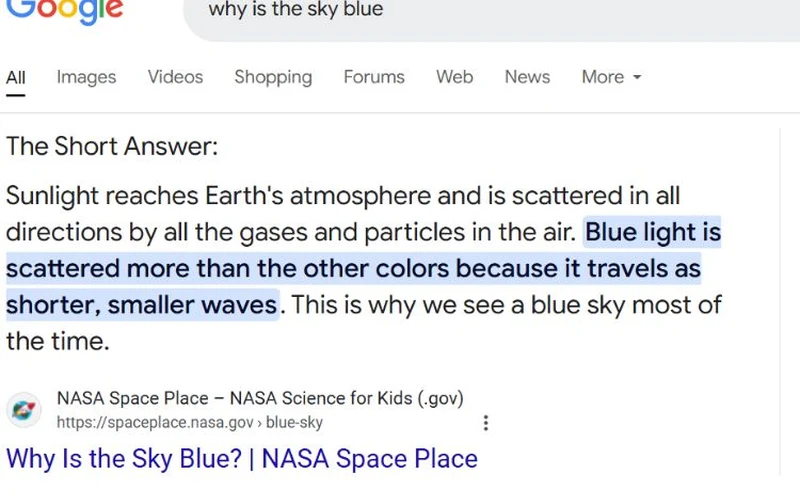
While Google AI Overviews synthesize multi-source generative summaries at the top of the SERP, traditional featured snippets remain a core data source for LLMs. Content formatted cleanly with direct 40-50 word answers, clear HTML list tags, and structured tables has a significantly higher probability of being cited inside AI Overviews and ChatGPT search responses.
Deep Dive: The 9 Primary Types of Featured Snippets
1. Paragraph Snippets (Direct Definition Boxes)
Paragraph snippets display direct 40-50 word answers to factual or definitional queries ("What is...", "Definition of..."). Place concise target definitions immediately below descriptive H2 or H3 headings.
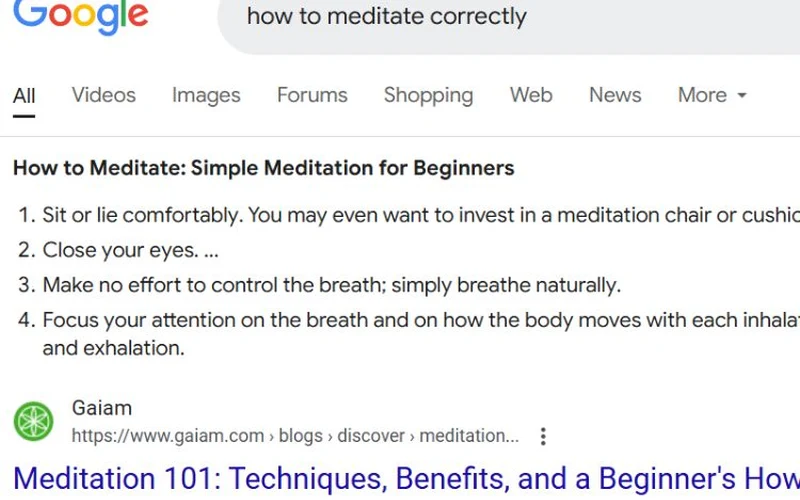
2. List Snippets (Bulleted & Numbered Step-by-Steps)
List snippets format multi-step processes or category lists:
- Numbered Lists (
- ): Used for sequential how-to tutorials, recipes, and ranked best-of lists.
- Bulleted Lists (
- ): Used for unordered feature lists, types of products, or benefits.
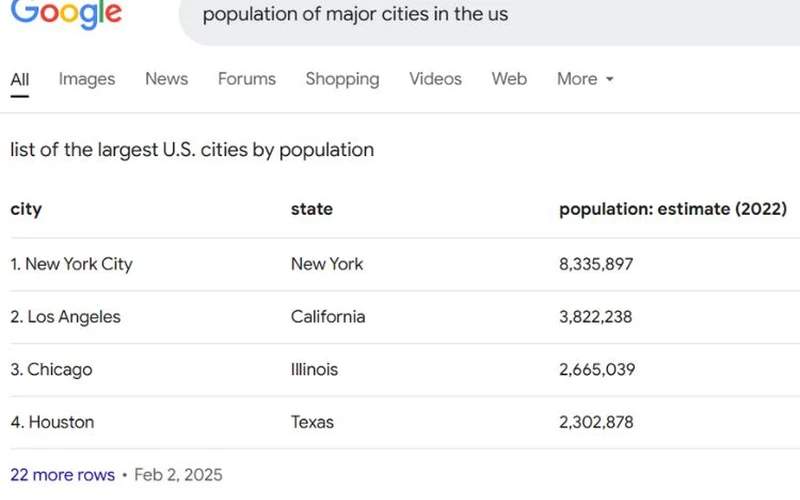
3. Table Snippets (Structured Data & Comparisons)
Table snippets extract organized data directly from HTML
) are clearly labeled.
4. Video Snippets (Timestamp & Key Moment Highlights)Video snippets display YouTube thumbnails with direct timestamp markers for visual tutorial queries ("How to tie a tie", "Changing a tire"). Add clear video chapters and descriptive transcriptions to enable Google to clip key moments. 5. Accordion Snippets (Interactive FAQ Dropdowns)Accordion snippets display stacked question-and-answer pairs that expand upon user clicks. They are generated from structured FAQ content and allow users to explore multiple sub-topics directly within the SERP. 6. Carousel Snippets (Multi-Card Browsing Modules)Carousel snippets display horizontal swipeable cards featuring visual thumbnails, product titles, and prices, allowing users to browse broad product categories or image galleries. 7. Image Snippets (Visual Grid Highlights)Image snippets display visual grids answering query intent that is inherently visual ("Living room interior designs", "Diagram of the heart"). Ensure image ALT text and file names reflect target keywords. 8. Rich Snippets (Schema-Enhanced Organic Results)Rich snippets enhance standard organic listings by rendering star ratings, prices, review counts, cooking times, and event dates using Schema.org JSON-LD microdata markup. 9. Interactive Snippets (SERP Calculators & Widgets)Interactive snippets embed Google-built functional tools (mortgage calculators, currency converters, weather widgets) directly into the search results page. HTML Formatting & Schema Markup Best Practices
|
|---|