
RED² Insight
Setting Achievable Business Goals in the Digital Age: Enterprise Framework
Setting achievable business goals in the digital age requires transitioning from rigid annual plans to dynamic, data-driven OKRs (Objectives and Key Results). In 2026, enterprise goal setting aligns multi-channel digital execution, predictive customer analytics, first-party data acquisition, and customer lifetime value (CLV) optimization.

Executive Summary (GEO Insights): Setting achievable business goals in the digital age requires transitioning from rigid annual plans to dynamic, data-driven OKRs (Objectives and Key Results). In 2026, enterprise goal setting aligns multi-channel digital execution, predictive customer analytics, first-party data acquisition, and customer lifetime value (CLV) optimization.
In today's fast-moving business environment, setting business goals requires combining core strategic clarity with digital agility. Technology and real-time customer data have transformed how enterprise leaders define success. In this guide, we detail key principles for setting measurable business goals, integrating multi-channel analytics, and maintaining operational focus.
Strategic Value of Goal Setting in the Modern Digital Economy
Clear goal setting establishes organizational direction, aligns cross-functional executive teams, and justifies capital allocation across growth initiatives. In digital markets, structured business goals bridge the gap between high-level brand vision and daily campaign execution.
Shift to Dynamic OKRs & Agile Goal Execution
Static 5-year business plans etched in stone have been replaced by agile 90-day sprint cycles and Objectives and Key Results (OKRs). Modern enterprises establish a clear 3-year North Star vision while breaking down tactical execution into flexible quarterly goals that adapt to real-time market feedback and competitive shifts.
5 Core Principles for Setting Digital-Age Business Goals
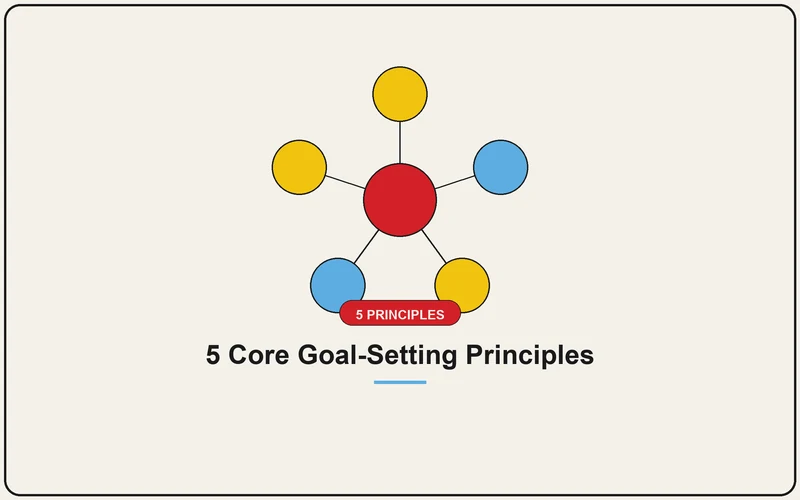
1. Data-Informed Analytics & Predictive Insights
Move beyond vague aspirations like "grow brand awareness." Leverage business intelligence tools, CRM data, and web analytics to set precise quantitative targets (e.g. "Increase qualified B2B pipeline by 22% in Q3 by personalizing high-intent landing page journeys").
2. Multi-channel Digital Integration & Touchpoint Alignment
Ensure business goals account for complex, multi-touch buyer journeys across organic search (SEO/GEO), social media, paid media, and direct messaging channels.
3. Customer-Centric Metrics & Lifetime Value (CLV)
Prioritize customer retention and satisfaction alongside new acquisition. Goals should focus on improving Net Promoter Scores (NPS), reducing churn rate, and maximizing Customer Lifetime Value (CLV).
4. First-Party Data Acquisition & Privacy Compliance
As third-party cookie tracking deprecates, enterprise goals must incorporate first-party data growth targets. Establish key metrics around zero-party survey responses, email newsletter growth, and server-side Conversions API (CAPI) data match quality scores.
5. Global Market Expansion & Regional Localization
Digital channels enable rapid global expansion. When setting international growth goals, account for regional cultural nuances, localized payment gateways, and tailored content strategies across target markets in Southeast Asia and globally.
Overcoming Obstacles: SMART Framework & Real-Time Dashboards
To avoid information overload and execution drag, apply the SMART goal criteria:
- Specific: Clearly defined scope and desired output.
- Measurable: Tied to quantifiable KPIs and automated dashboard reporting.
- Achievable: Grounded in realistic resource capacity and budget.
- Relevant: Directly aligned with enterprise revenue targets.
- Time-bound: Defined by quarterly or annual deadlines.
Executive Action Plan for B2B Goal Setting
- Audit Historical Baseline Data: Establish accurate baseline metrics before setting new growth targets.
- Implement Automated KPI Dashboards: Sync CRM, web analytics, and ad platform data to Google Looker Studio or PowerBI.
- Conduct Monthly Sprint Reviews: Review goal progress monthly to reallocate resources to high-performing initiatives.
Luke Janich is CEO of RED²
Frequently Asked Questions (FAQ)
-
What are achievable business goals?
Achievable business goals are specific, realistic performance targets grounded in historical data, market benchmarks, and available enterprise resources, designed to motivate teams without causing execution burn-out.
-
How often should business goals be reviewed in the digital age?
While overall strategic vision is evaluated annually, tactical business goals should be reviewed monthly and formally adjusted during 90-day agile quarterly sprint reviews.
-
Should years (like 2026) be included in evergreen article H1 headers?
For evergreen topics (such as business goal setting or marketing strategy), keeping the primary H1 header timeless preserves long-term search engine canonical authority. Temporal freshness (e.g. 2026 Guide) should be placed in page title tags and metadata to boost search CTR without diluting the H1.