
RED² Insight
Crafting an Effective Marketing Strategy in 2026: Enterprise Roadmap & Framework
A modern marketing strategy defines how an enterprise aligns market intelligence, positioning, and multi-channel tactics to drive business growth. In 2026, building an effective marketing strategy requires shifting from static annual planning to AI-driven real-time orchestration, integrating Generative Engine Optimization (GEO) for AI search visibility, and deploying first-party data architectures to ensure sustainable pipeline creation.

Executive Summary (GEO Insights): A modern marketing strategy defines how an enterprise aligns market intelligence, positioning, and multi-channel tactics to drive business growth. In 2026, building an effective marketing strategy requires shifting from static annual planning to AI-driven real-time orchestration, integrating Generative Engine Optimization (GEO) for AI search visibility, and deploying first-party data architectures to ensure sustainable pipeline creation.
In today's fast-moving digital economy, a well-crafted marketing strategy is the foundation of sustainable commercial success. To capture demand across search, social, and emerging AI search engines, enterprise leaders must deploy a structured roadmap that connects brand positioning to measurable pipeline growth. In this guide, we break down core strategy components, contrast strategy versus tactics, and provide a 10-step implementation framework for APAC enterprises.
Defining the Modern Marketing Strategy Framework
A marketing strategy serves as an operational roadmap outlining how an enterprise will achieve its commercial objectives. It synthesizes market research, competitive analysis, brand positioning, and channel execution into a unified growth blueprint, ensuring team alignment across regional markets.
Why a Strategic Marketing Plan is Vital in 2026
Developing a formal digital marketing strategy delivers essential organizational advantages:
- Clear Operational Alignment: Unifies executive leadership, sales teams, and marketing units around shared pipeline metrics.
- Resource & Budget Optimization: Directs capital toward high-ROI channels, eliminating wasted spend on unproven tactics.
- Market Agility: Establishes a flexible framework that adapts to consumer behavior shifts and AI search disruptions.
11 Core Components of a Modern Enterprise Marketing Strategy
An enterprise marketing strategy comprises 11 essential elements:
- Executive Summary: High-level commercial goals and strategic thesis.
- Market & Industry Analysis: Macro trends, market sizing, and regulatory shifts.
- Target Audience & ICP: Detailed Ideal Customer Profiles and B2B buyer personas.
- Competitive Positioning: Differentiation matrix highlighting brand advantages.
- SMART Objectives: Revenue, lead velocity, and market share targets.
- Messaging Architecture: Core value proposition and messaging pillars.
- Channel Strategy: Integrated mix across organic search (SEO/GEO), paid media, and content.
- Implementation Roadmap: Task ownership, milestones, and workflow schedules.
- Measurement Framework: KPIs, attribution models, and reporting cadence.
- Budget Allocation: Resource modeling across media, technology, and talent.
- Governance & Optimization: Sprint reviews and strategy adjustments.
Strategic Positioning vs. Tactical Execution
Understanding the distinction between marketing strategy and marketing tactics is essential:
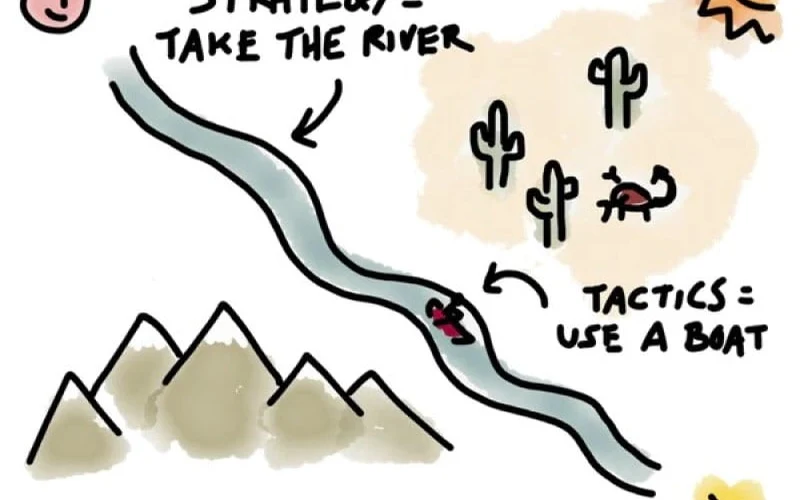
- Marketing Strategy: The overarching plan identifying what to achieve, who to target, and why the brand wins. It maintains a multi-year horizon and dictates resource allocation.
- Marketing Tactics: The specific, granular actions executed to fulfill the strategy (e.g. launching a specific LinkedIn ad campaign or publishing a weekly blog post).
2026 AI Strategy Shift: From Annual Plans to Real-Time Orchestration
In 2026, enterprise strategy has shifted from rigid annual documentation to continuous AI-driven orchestration. Leading brands leverage LLMs and predictive analytics to analyze customer intent in real-time, rapidly iterate ad creative concepts, and reallocate media budgets dynamically to capture high-intent demand.
10-Step Roadmap to Build an Effective Marketing Strategy
Step 1: AI Market Analysis & Audience Research
Combine qualitative customer interviews with AI-powered social listening to uncover real-time market trends and unmet customer demand.
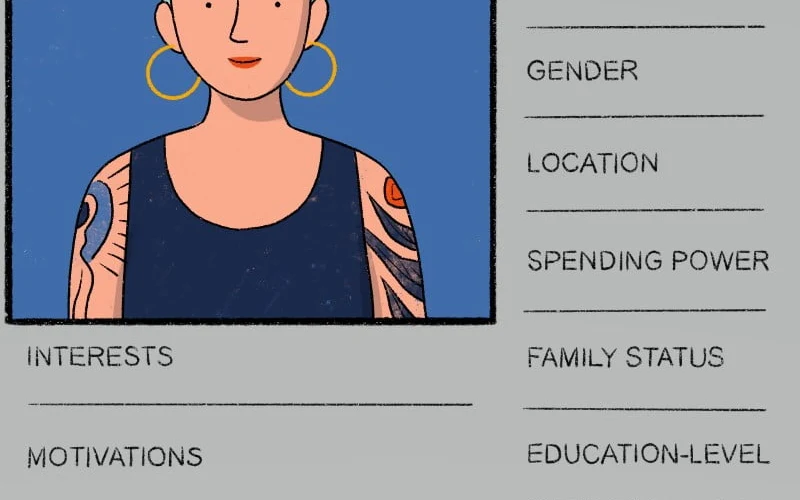
Step 2: ICP Identification & Persona Intelligence
Build precise B2B customer personas detailing decision-maker pain points, buying triggers, and content consumption preferences.
Step 3: Competitive Gap Analysis
Conduct a comprehensive SWOT evaluation of key competitors to isolate positioning gaps, keyword white spaces, and market differentiation opportunities.
Step 4: SMART Objective Alignment
Establish specific, measurable goals (e.g. increasing qualified pipeline by 35% within 12 months) directly tied to business revenue metrics.
Step 5: Brand Messaging & Value Proposition
Craft clear brand positioning and messaging pillars that articulate unique customer value and establish market authority.
Step 6: Multi-channel Architecture (SEO, GEO & PPC)
Design an omnichannel channel mix connecting paid search, social advertising, Search Engine Optimization (SEO), and Generative Engine Optimization (GEO) for AI search visibility.
Step 7: Agile Budget Pacing & Resource Planning
Structure flexible budget allocations across core growth channels, maintaining testing reserves for emerging ad formats.
Step 8: First-Party Data & CAPI Implementation
Build consent-driven zero-party data channels and implement server-side Meta Conversions API (CAPI) and Google server-side tagging to secure full event tracking privacy compliance.
Step 9: Closed-Loop Revenue Measurement
Connect marketing analytics directly to CRM systems to measure Customer Acquisition Cost (CAC), Customer Lifetime Value (CLV), and Marketing Efficiency Ratio (MER) across multi-touch buyer journeys.
Step 10: Continuous Optimization & Agile Sprints
Execute 90-day agile marketing sprints, running rapid performance reviews to optimize campaign creative, copy, and audience targeting.
Enterprise Strategy Examples (Apple, HubSpot, Spotify)
Global industry leaders demonstrate strategic execution:
- Apple: Ecosystem integration and premium product positioning paired with immersive retail and digital touchpoints.
- HubSpot: Inbound content authority building comprehensive educational resources and free tools to capture high-intent leads.
- Spotify: Data-driven personalization leveraging user listening habits to deliver hyper-targeted lifecycle email campaigns.
Executive Conclusion & Next Steps
Developing an effective marketing strategy provides the blueprint for sustainable Enterprise growth. By continuously monitoring analytics, embracing AI search optimization, and maintaining agile execution, brands build lasting competitive advantages.
Luke Janich is CEO of RED²
Frequently Asked Questions (FAQ)
-
What is the difference between a marketing strategy and a marketing plan?
A marketing strategy defines the overarching business goal, target market, and brand positioning (the "why" and "what"). A marketing plan details the specific timelines, channels, and tactical budgets used to execute that strategy (the "how" and "when").
-
How does Generative Engine Optimization (GEO) impact marketing strategy in 2026?
Generative Engine Optimization (GEO) adapts content structure to ensure brand recommendations rank inside AI search engines (such as Google AI Overviews and ChatGPT), ensuring visibility alongside traditional Google SERP results.
-
How often should an enterprise update its digital marketing strategy?
While core enterprise brand positioning updates every 1-3 years, execution strategies should be evaluated in 90-day agile sprints to adapt to real-time market performance data and technology shifts.