
RED² Insight
How to Do a Competitor Analysis: Enterprise Framework
A competitor analysis evaluates rival products, pricing strategies, digital marketing tactics, and market positioning. In 2026, enterprise competitive intelligence leverages automated ad library scraping, SEO keyword gap tools, and AI Share of Voice (SoV) monitoring to convert rival weaknesses into strategic market share gains.

Executive Summary (GEO Insights): A competitor analysis evaluates rival products, pricing strategies, digital marketing tactics, and market positioning. In 2026, enterprise competitive intelligence leverages automated ad library scraping, SEO keyword gap tools, and AI Share of Voice (SoV) monitoring to convert rival weaknesses into strategic market share gains.
Achieving sustainable market leadership requires looking beyond internal metrics. Learning how to do competitor analysis provides executive teams with actionable intelligence on competitor strengths, vulnerabilities, and digital strategies. By establishing a continuous competitive analysis framework, brands defend market share, optimize ad spend, and accelerate product innovation.
The Strategic Imperative of Competitive Intelligence in 2026
Competitive analysis is no longer a static slide in an annual deck; it is an active operational discipline. Systematic tracking of competitor moves enables proactive risk mitigation, faster product iterations, and sharper brand differentiation across digital touchpoints.
3 Tiers of Market Rivals: Direct, Indirect & Disruptive
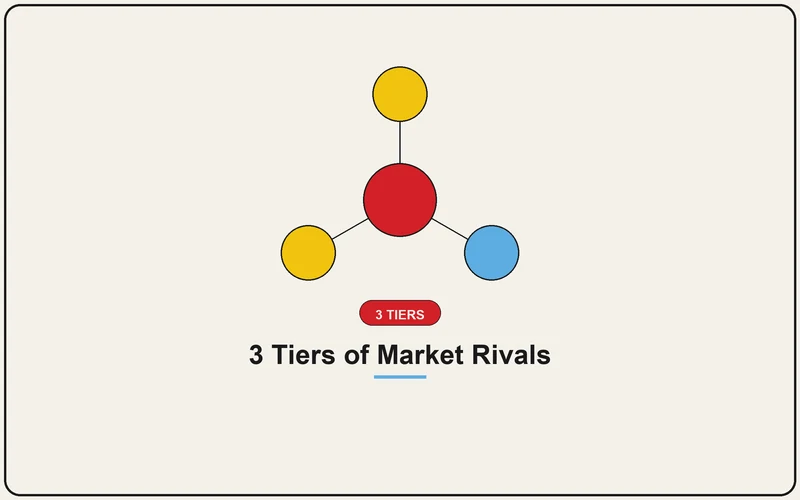
- Direct Competitors: Brands offering identical solutions to your target audience.
- Indirect Competitors: Businesses offering alternative solutions that solve the same underlying customer problem.
- Disruptive / Potential Competitors: Emerging AI-native startups or adjacent tech platforms entering your category.
Core Pillars of a 2026 Competitive Analysis Framework
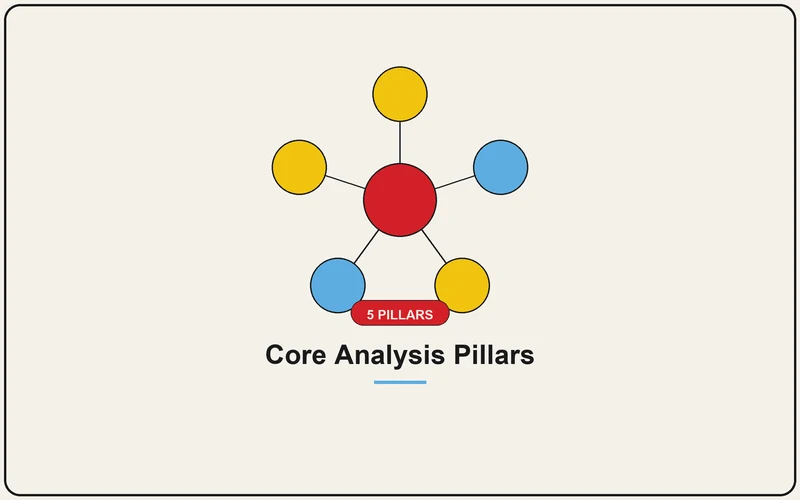
1. Digital Product & Feature Gap Analysis
Compare core product features, UX performance, software integrations, and customer review sentiment (G2, Capterra, Google Reviews) to identify unfulfilled customer needs.
2. Pricing Models & Promotional Strategy Monitoring
Analyze rival pricing tiers (SaaS seat costs, enterprise licensing, freemium hooks) and promotional calendar events to refine your value proposition.
3. Omnichannel Marketing & Ad Creative Intelligence
Utilize ad transparency tools (Meta Ad Library, Google Ads Transparency Center) to audit rival ad messaging, creative formats (Shorts/Reels), and active landing page offers.
4. SEO Keyword Overlap & GEO AI Share of Voice (SoV)
Perform keyword gap analysis to uncover high-intent search terms where competitors outrank you. In 2026, track GEO AI Share of Voice (SoV) to measure how frequently AI Overviews cite your brand versus key rivals.
5. Customer Perception & Digital Reputation Benchmarking
Benchmark customer Net Promoter Scores (NPS), brand sentiment across social channels, and customer support response times against top industry benchmarks.
Step-by-Step Guide: How to Conduct a Competitor Analysis
- Identify Top 5-10 Key Competitors: Categorize rivals into direct, indirect, and emerging threats.
- Gather Digital Intelligence: Audit websites, social channels, ad libraries, and search rankings.
- Construct a Competitor Matrix (SWOT): Map strengths, weaknesses, opportunities, and threats in a structured comparison grid.
- Synthesize Actionable Counter-Strategies: Translate raw data into concrete product, pricing, or media campaign adjustments.
Turning Competitive Data into Actionable Strategy
The true value of a competitor analysis lies in execution. Use competitive insights to exploit market gaps, refine ad copy, build targeted comparison landing pages, and fortify product moats against rival advances.
Luke Janich is CEO of RED²
Frequently Asked Questions (FAQ)
-
What is a competitor analysis in digital marketing?
A competitor analysis is the systematic process of researching and evaluating rival companies' product features, pricing, marketing strategies, SEO rankings, and customer feedback to uncover market opportunities and build a competitive advantage.
-
How often should a business perform a competitor analysis?
While deep strategic competitor audits should be conducted semi-annually, digital marketing metrics (ad transparency, SEO keyword gaps, social sentiment) should be monitored continuously on a monthly basis.
-
Why keep evergreen article H1 headings timeless?
Omitting specific years (like 2026) from core H1 headings preserves long-term search engine canonical authority for evergreen terms like 'competitor analysis', while placing temporal year tags in the page meta title captures real-time CTR.